The current debate about Army gender diversity set me speculating about how the Army in which I served during the 1950s, would treat the issue of gender diversity. Bizarre visions came to mind of how the Army of that time might treat gender diverse people.
Army gender diversity: Recruitment
A man wearing a dress walking into an Army recruiting office wanting to enlist under his affirmed gender. Faced with this gender dilemma, the recruiting officer sends the would-be recruit for a medical examination where s/he is confronted by a crusty old retired army doctor.
‘Drop your drawers’ instructs the doctor. He then cups his hand under the recruit’s scrotal sac and utters the word, ‘Cough.’
‘No hernia detected, this man’s fit for service,’ declares the doctor. He leaves the determination of the recruit’s affirmed gender to the recruiting officer.
Nomenclature in the Army for gender diversity
In order to be able to distinguish gender when allocating duties, current ranks such as Guardsman, Able-Seaman and Aircraftsman would no longer be adequate. Therefore, new nomenclature would be needed to accommodate the affirmed gender of gender diverse soldiers. With the military genius for abbreviations, one can imagine terms like ‘Hesh’, for a ‘he’ identifying as a ‘she’, and ‘Shim’, for a ‘she’ identifying as a ‘he’ being conceived. This could give rise to new rank designations such as ‘Hesh-Corporal’, ‘Hesh-Petty Officer’ or ‘Shim-Pilot Officer’.
Army uniforms and gender diversity
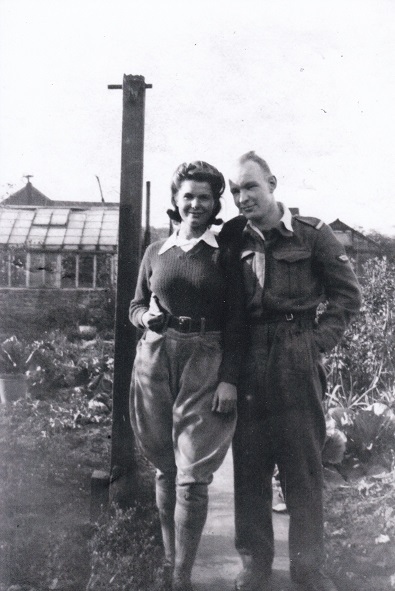
In line with the WRACs uniforms of the time, men who affirmed their gender was female would be required to wear skirts as their everyday uniform. In mixed gender units, skirts would be worn with boots, hose tops and puttees rather than gaiters. Consistent with male soldiers who wear kilts (traditionally worn with nothing underneath), ‘Hesh’ transgender soldiers would not be permitted to wear stockings.
Weaponry and equipment
Today all strength, load‑carrying, and job‑specific requirements are identical for male, female and gender diverse service personal are the same. However, given the values, attitudes and nutritional levels of the 1950s, this may not have been achievable at that time. Thus, depending on the gender make-up of the platoon, a Medium Machine Gun Platoon may have required an additional platoon member to carry the machine gun or the tripod. Likewise, a transgender platoon signaller may require an extra platoon member to carry the radio battery. This would disrupt normal distribution of personnel within a rifle company.
Toilets and ablutions
With the exception of toilets and ablution facilities in female quarters, all toilets on military bases would be re-designated as unisex facilities. In barrack room ablutions an area may be screened off for the use of gender diverse soldiers. This would be at the discretion of the commanding officer.
Medical matters for Army gender diversity
Medical services to gender diverse soldiers would be consistent with services provided to male and female soldiers. Treatment of any gender diverse medical matters such as manstruation would be left to the discretion of individual military doctors.
End note: the past is a foreign country
The past indeed is a foreign country. My own Malayan military memoir, Misadventures with Coco-Oscar, chronicles what kind of country it was. Misadventures with Coco-Oscar is available now in paperback and eBook.